ÍndigoCarmín
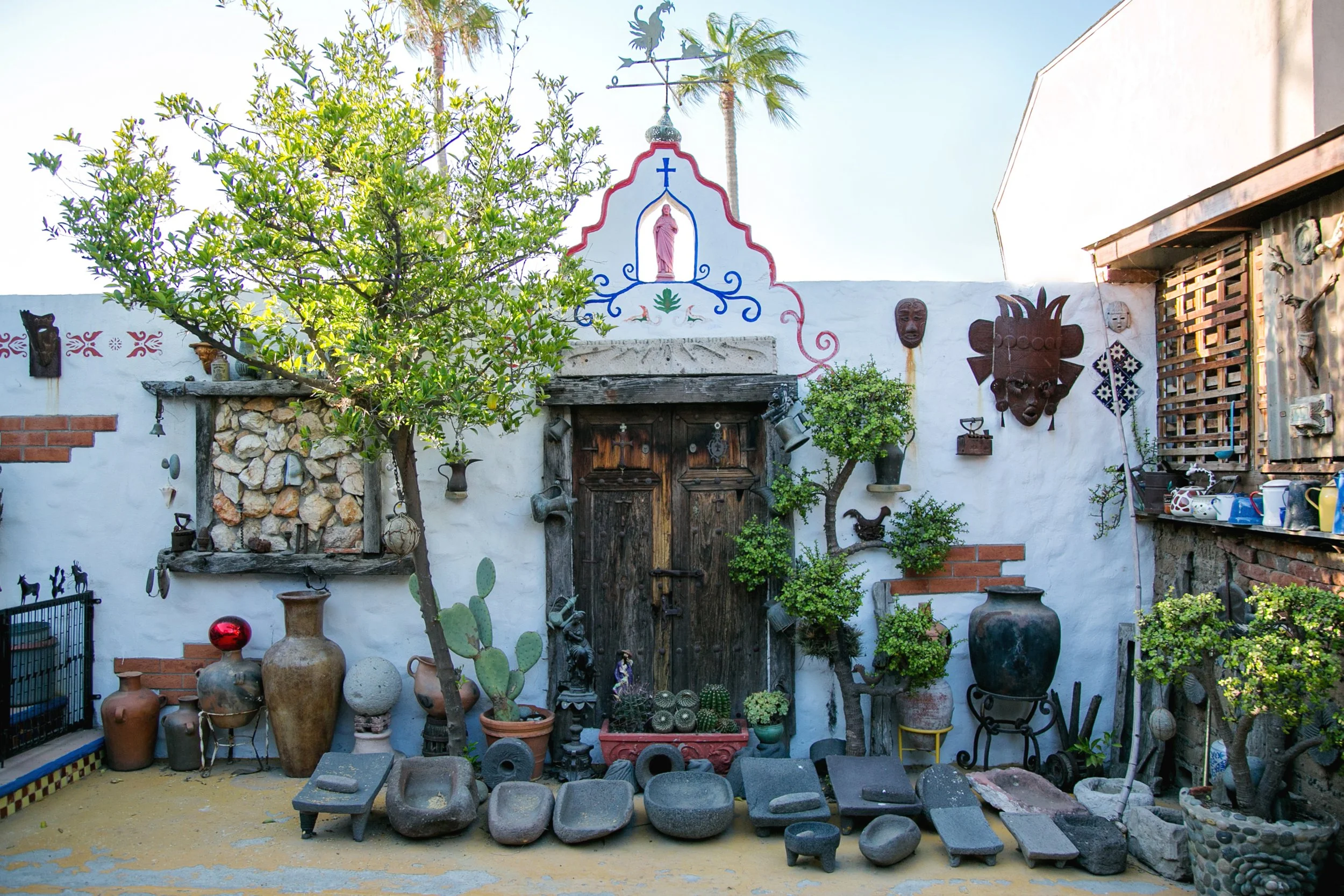
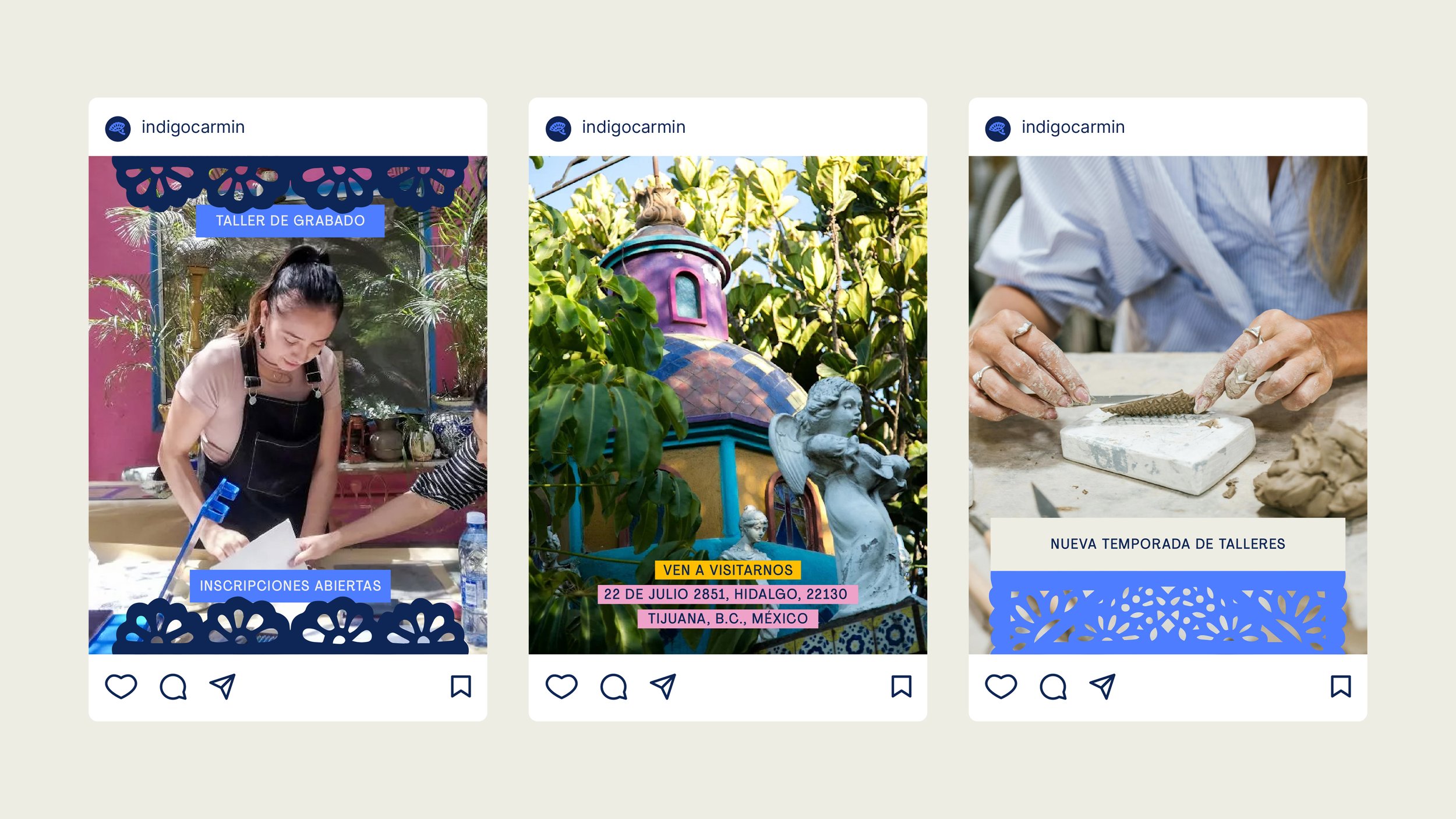
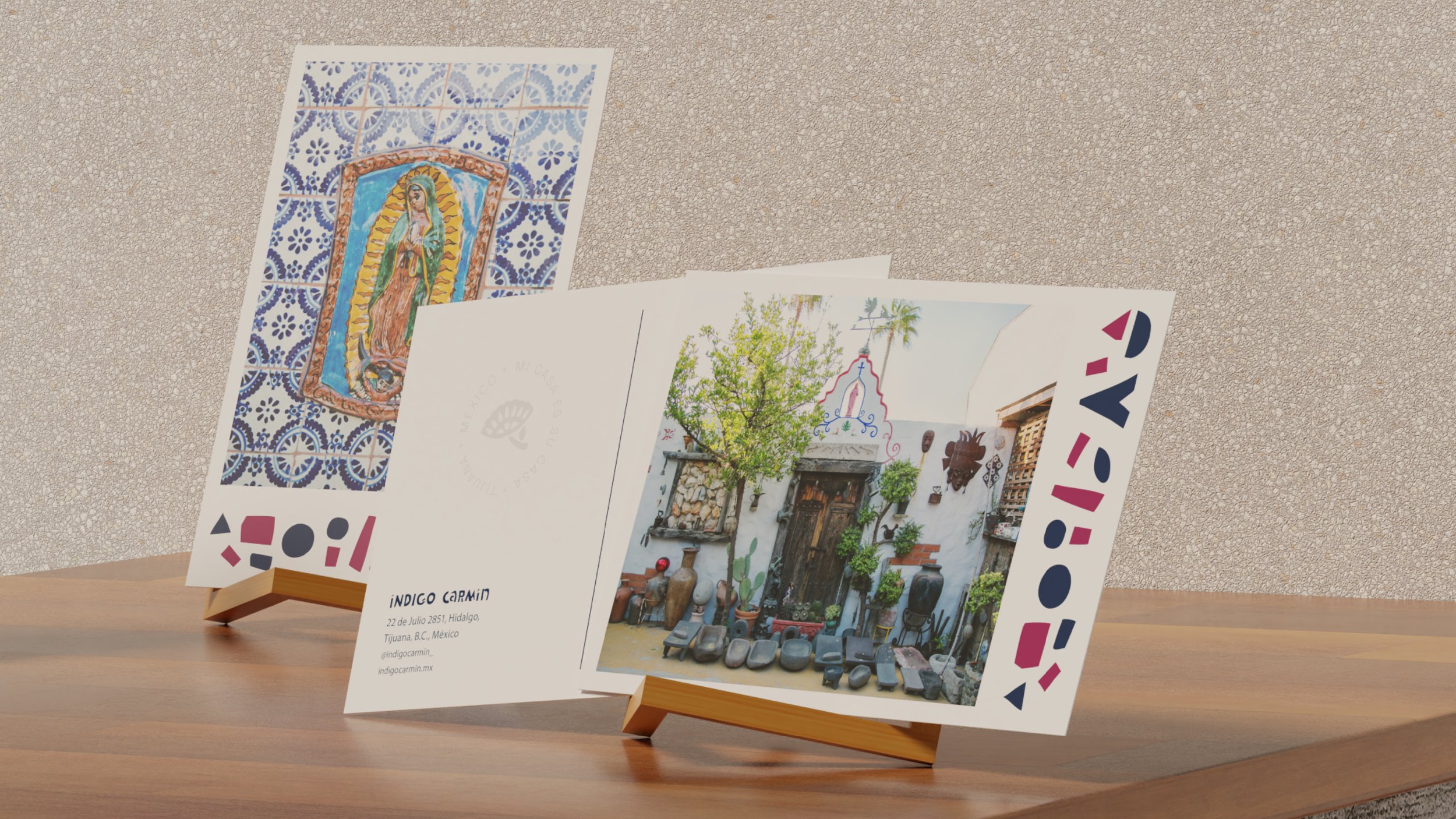
In Tijuana, more specifically in Colonia Hidalgo, a few years ago a meeting place for artists and craftspeople was born. The beautiful home of a blacksmith became the headquarters of Índigo Carmín, a space conceived by an architect, a photographer, and a ceramicist, designed to bring together the local artistic scene and creators from across Mexico. In addition to operating as a workshop and gallery, it also hosts courses, talks, exhibitions, presentations, and even fashion shows. Fittingly, the name refers to the two most prominent colors in the space — indigo and carmine — which appear throughout its walls.
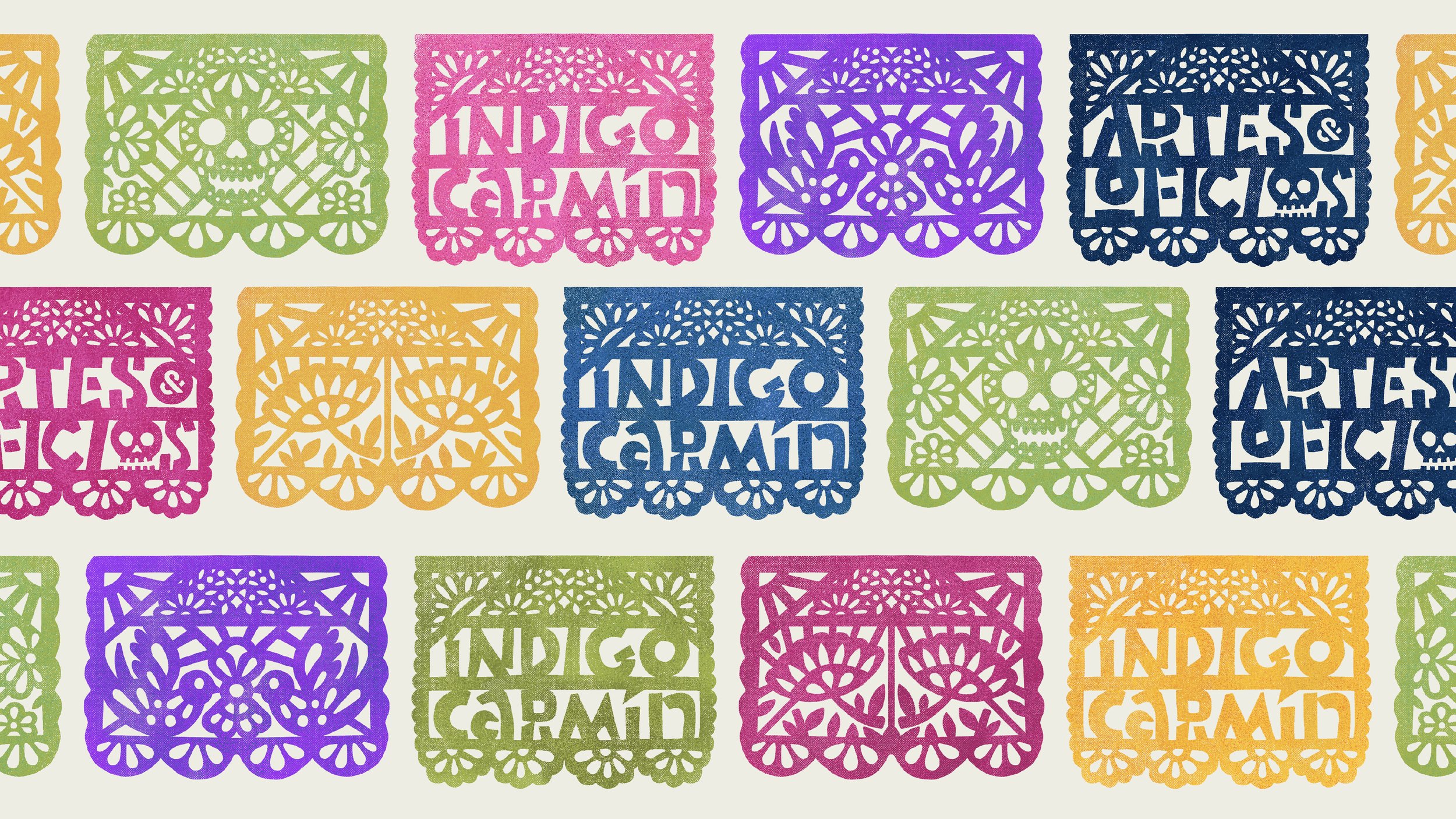
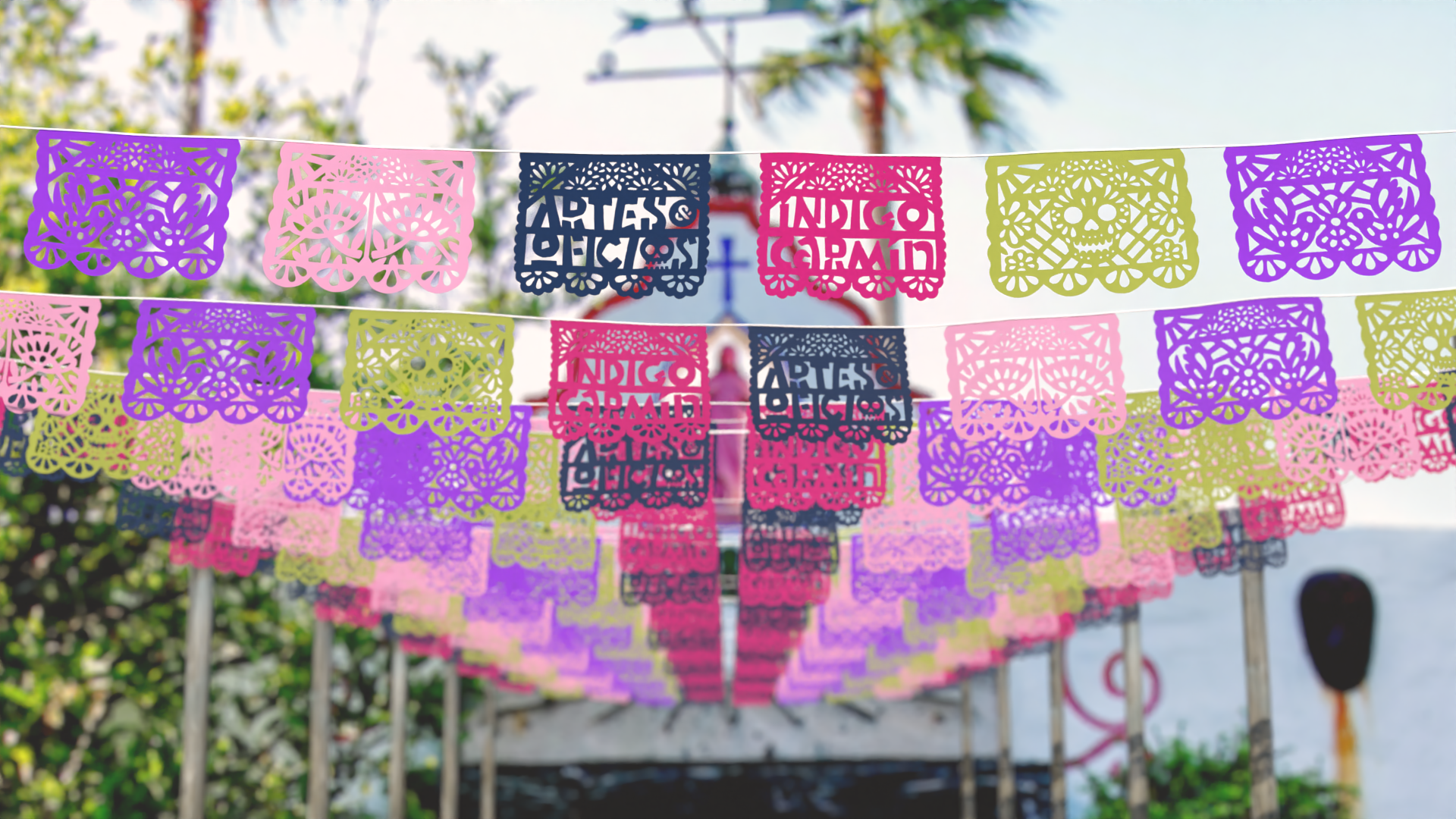
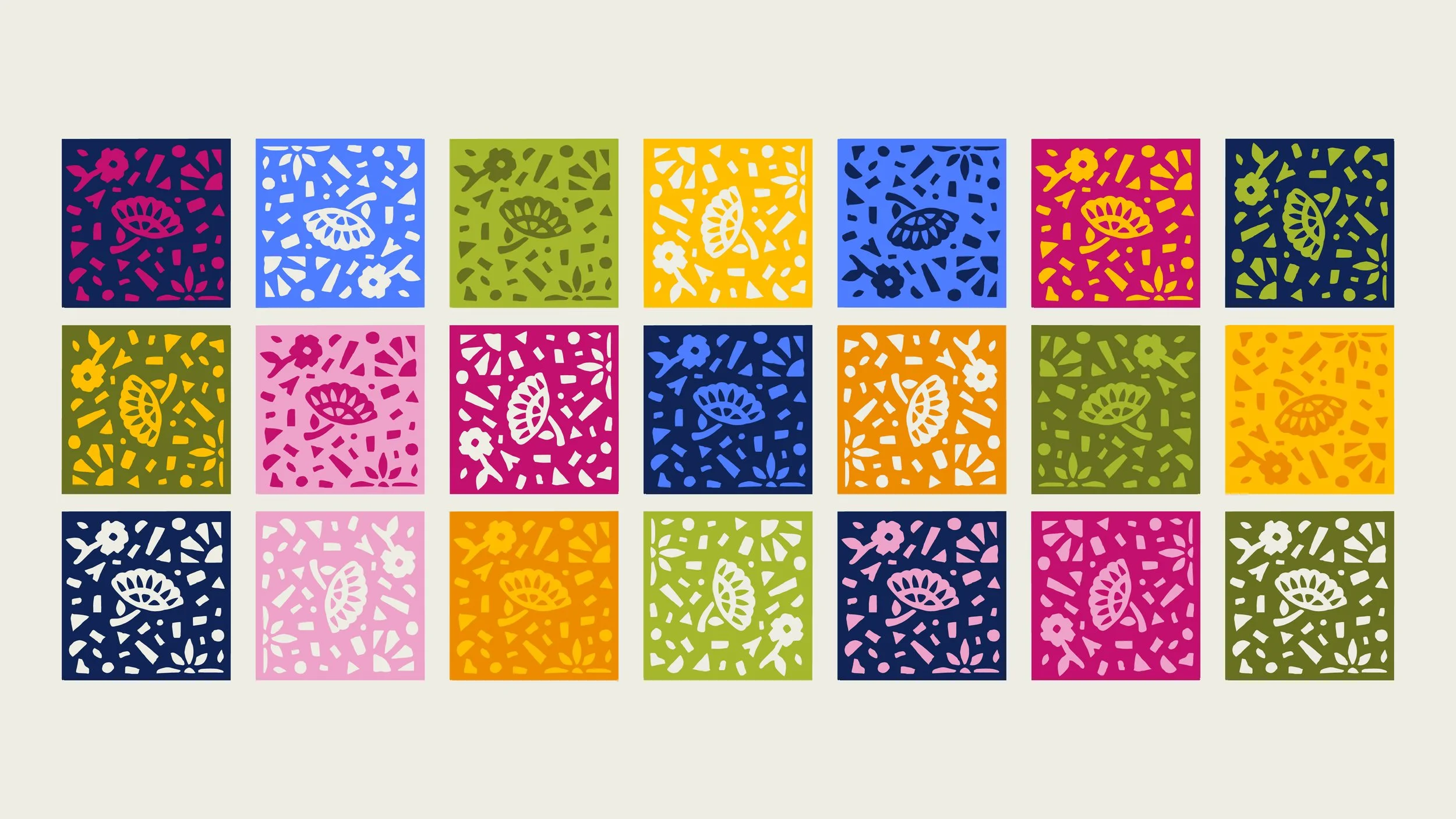
Part of this project meant studying different elements of Mexican culture, which, as a foreigner, became a deeply immersive journey into many of its most beautiful expressions. One of them was papel picado, a tradition rooted in pre-Hispanic ritual practices that later evolved, with the arrival of tissue paper during the colonial period, into the delicate and festive form we know today. More than decoration, papel picado represents impermanence, movement, celebration, and the passage of time.